The Complete Guide to Dental Braces in Kawasoti: Types, Process, and Lifelong Benefits
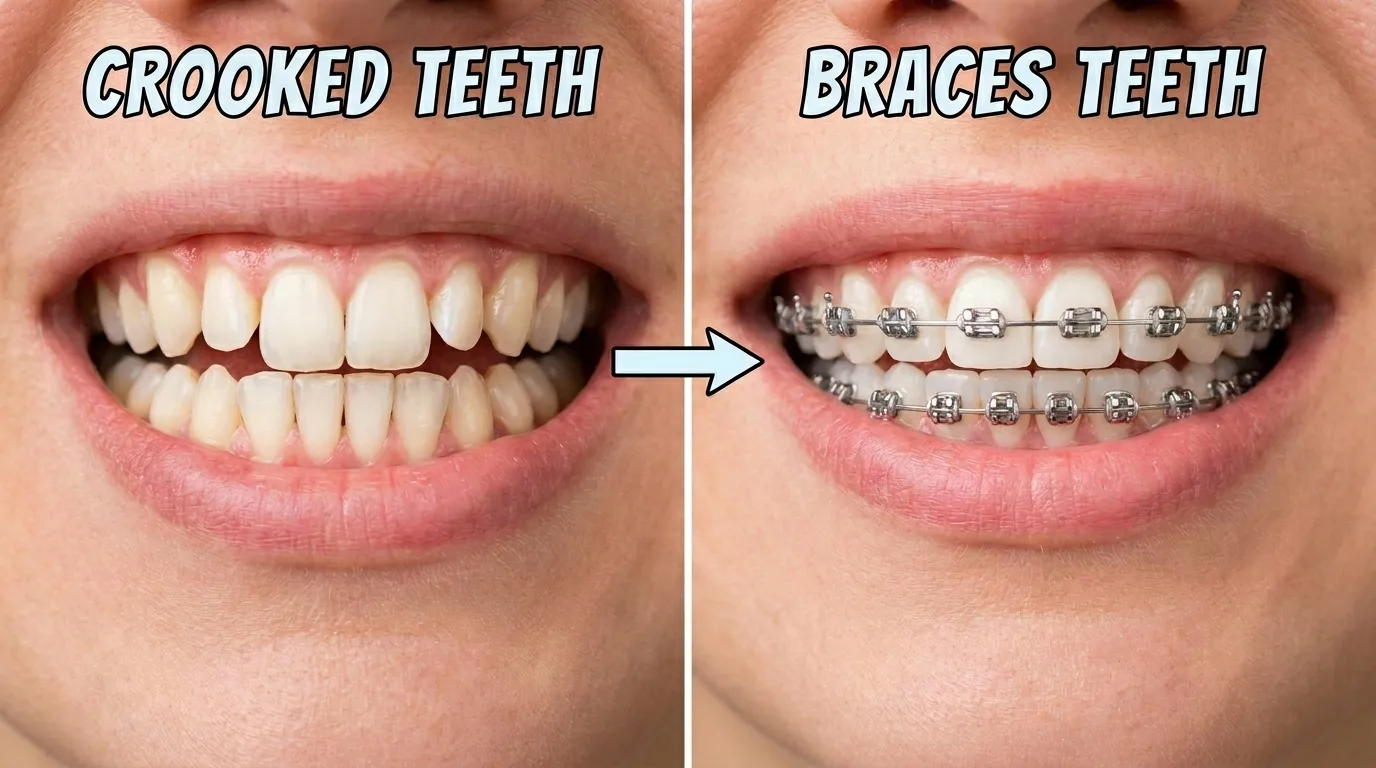
Choosing to get dental braces is a major step toward a healthier, more confident smile. Whether you are a parent exploring options for your teenager or an adult looking to improve your alignment, getting local, specialized care makes all the difference.
At Kalika Dental Care, located at Kaligandaki Chowk, Kawasoti-8, Nawalpur, we combine advanced technology with specialized medical expertise to make your smile transformation smooth, predictable, and comfortable.
What are Dental Braces and How Do They Work?
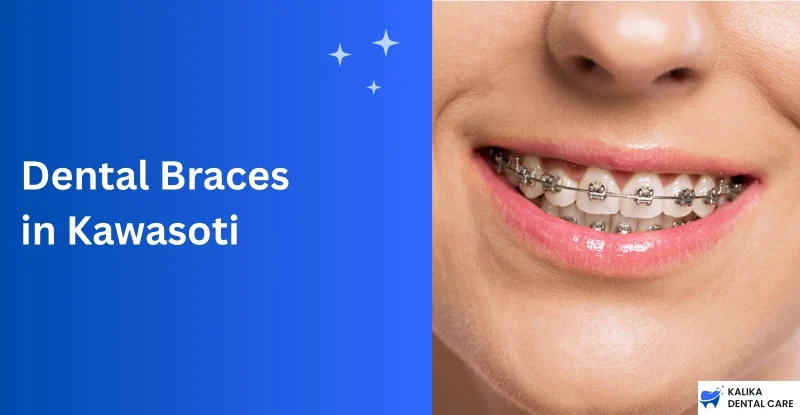
Dental braces are specialized orthodontic appliances used to correct crowded, crooked, or misaligned teeth and improper bites. They work by applying continuous, gentle pressure over time to safely guide teeth into their correct positions, improving both oral function and facial aesthetics.
When teeth are crowded or out of line, cleaning them effectively becomes difficult, increasing the risk of cavities and gum issues. Braces address these issues by redesigning your smile from the roots up.
Modern orthodontics has evolved significantly. The days of bulky, uncomfortable metal bands are gone, today’s options are lighter, more streamlined, and highly efficient.
Types of Dental Braces Available at Kalika Dental Care
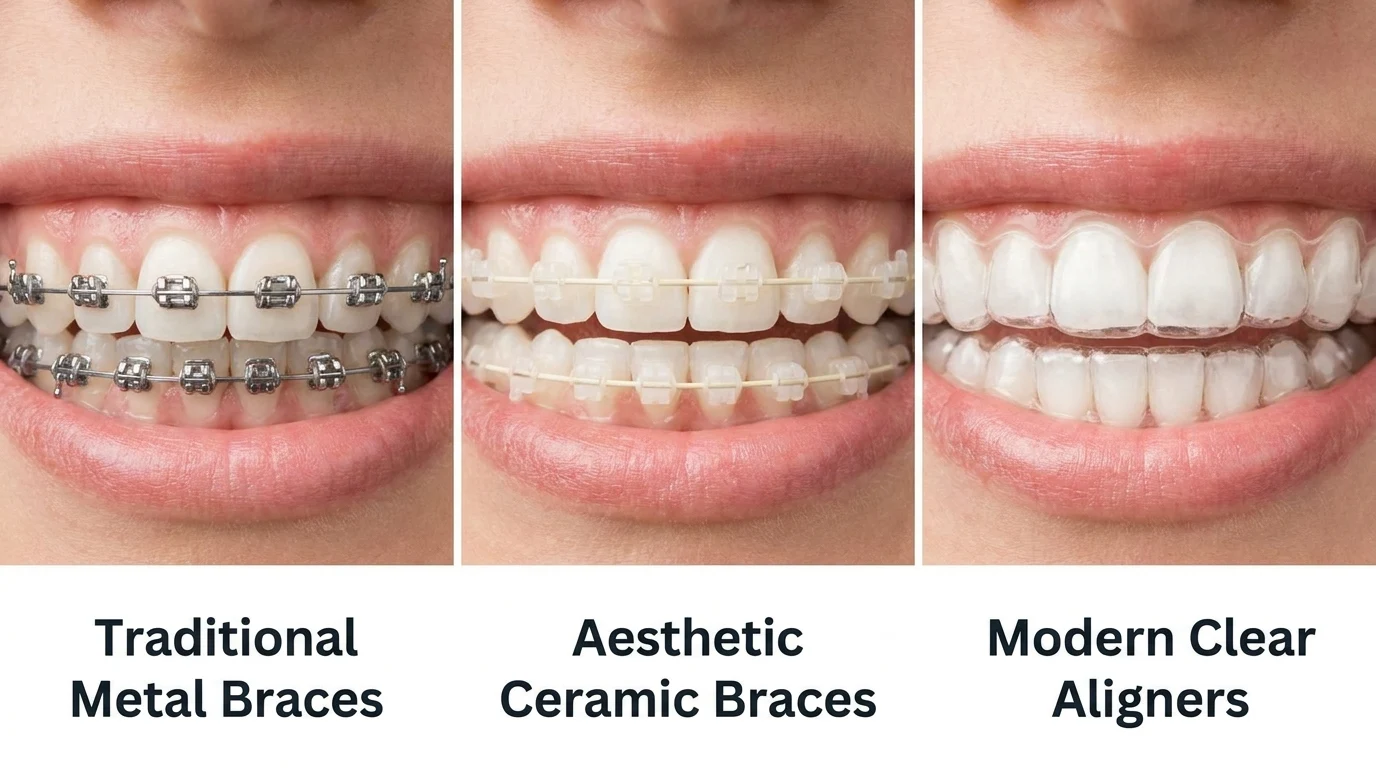
The primary types of dental braces available in Kawasoti include traditional metal braces, clear ceramic braces, and modern clear aligners. Each type uses different materials and styles to apply corrective alignment pressure, balancing aesthetic preferences, treatment speed, and overall structural needs.
Choosing the right option depends heavily on your lifestyle, aesthetic goals, and specific dental alignment needs. Let’s look closely at the choices available at Kalika Dental Care.
Metal Braces
Metal braces remain the most widely used and reliable orthodontic option globally. They utilize durable stainless steel brackets and archwires to adjust your teeth. They are highly reliable for treating complex alignment issues and are a favorite for pediatric and teenage care.
Ceramic Braces
Ceramic braces operate exactly like traditional metal styles but feature clear or tooth-colored polycrystalline material. This structural choice blends naturally with your teeth, making them a popular option for older teenagers and adults who want a less noticeable look.
Clear Aligners
Clear aligners are a sequence of custom-made, removable transparent plastic trays. They slide directly over your teeth, gently shifting them without the need for visible brackets or wires. Because you can remove them to eat, brush, and floss, they offer maximum flexibility for busy professionals and adults.
Braces Options Comparison:
| Attribute | Metal Braces | Ceramic Braces | Clear Aligners |
| Visibility | High (Silver metallic brackets) | Low (Tooth-colored/Clear) | Very Low (Nearly invisible) |
| Removability | Fixed (Stays on throughout treatment) | Fixed (Stays on throughout treatment) | Removable (Take off for eating and cleaning) |
| Ideal For | All ages, great for complex alignment | Teenagers and adults wanting subtler looks | Adults seeking comfort and flexibility |
| Hygiene Routine | Requires specialized brushing & flossing | Requires careful, attentive cleaning | Normal brushing and flossing routines |
Step-by-Step: The Orthodontic Journey in Kawasoti
The dental braces treatment process consists of a comprehensive clinical consultation, precise digital imaging and diagnostics, secure brace placement, periodic monthly check-ups, and a final retention phase using custom retainers to keep your new smile perfectly in position.
Every smile requires a personalized approach. At Kalika Dental Care, we map your journey out systematically to ensure excellent care at every phase:
- Initial Assessment & Consultation: Our specialist reviews your dental structures, discusses your personal goals, and determines if braces match your needs.
- Detailed Diagnostic Imaging: We take precise digital dental x-rays, intraoral photographs, and physical or digital structural impressions to build your personalized plan.
- Precise Bond and Placement: The brackets are gently attached to your teeth and connected with the archwire. This initial session is comfortable and completely pain-free.
- Scheduled Monthly Adjustments: You will visit our clinic every 4 to 6 weeks. During these visits, our specialist changes or adjusts the wires to keep your teeth moving smoothly along their planned paths.
- The Retention Phase: Once your teeth reach their ideal positions, the braces are removed. We then provide custom retainers to prevent your teeth from shifting back to their old positions.
Why Choose a Specialized Orthodontist (MDS) Over a General Dentist?
Choosing a specialized Master of Dental Surgery (MDS) in Orthodontics ensures your treatment is managed by a dedicated specialist with years of advanced, post-graduate training focused entirely on moving teeth, correcting jaw alignments, and creating proper facial balance.
Many dental clinics offer alignment treatments, but working with a dedicated specialist is essential. General dentists provide great everyday care like fillings and regular cleanings, but orthodontic treatment is complex biomechanics.
Dr. Madhav Pandey, our lead specialist at Kalika Dental Care, holds an MDS in Orthodontics. This advanced clinical background means your treatment plan is created by an expert trained to handle even the most complex bite corrections safely, quickly, and effectively.
Life with Braces: Practical Daily Care Tips
Maintaining excellent oral hygiene with braces requires brushing after every meal, utilizing specialized interdental brushes to clear food from around brackets, and avoiding hard, sticky, or overly crunchy foods that could dislodge your wires.
Caring for your teeth properly while wearing braces protects your enamel and keeps your treatment moving forward on schedule.
- Brush Deliberately: Clean your teeth thoroughly after every meal to keep plaque from building up around your brackets.
- Use Interdental Brushes: These small, specialized brushes slide easily under archwires to clear food particles from hard-to-reach spots.
- Adjust Your Diet: Skip hard snacks, sticky candies, and whole apples. Cut fruits and vegetables into bite-sized pieces instead to avoid bending wires or loosening brackets.
- Keep Your Regular Visits: Missing your scheduled monthly check-ups delays your progress and lengthens your overall treatment time.
Transform Your Smile at Largest Dental Facility in Kawasoti
As the largest dental facility in Kawasoti, Kalika Dental Care provides a spacious, sterile, and modern clinical space designed for excellent patient care. We believe high-quality orthodontic care should be accessible to everyone in our community, which is why we focus on transparent planning and reliable local aftercare.
You don’t need to travel far out of the region to get a world-class smile. Everything your family needs is right here at Kaligandaki Chowk.
Schedule Your Consultation Today: call +977 9847025260
Take the first step toward your new smile. Visit our team at Kalika Dental Care, Kaligandaki Chowk (near Kaligandaki Hospital), Kawasoti-8, Nawalpur.
Give us a call or stop by our clinic to book your professional orthodontic consultation with Dr. Madhav Pandey, MDS, and discover your personalized treatment path today.
FAQ
1. What is the best age to get dental braces?
While orthodontic treatment can successfully align teeth at almost any age, the ideal window for an initial assessment is generally around age 7 to 14. At this stage, a child’s jaw is still developing, making it easier to guide teeth into place smoothly. However, adult orthodontics is highly effective, and we treat many adults using subtle ceramic braces or clear aligners.
2. How long does the braces treatment take?
On average, active treatment lasts between 12 to 24 months. The exact duration depends heavily on the complexity of your alignment needs, the specific type of braces you choose, and how closely you follow your care routines and scheduled appointments.
3. Does getting braces hurt?
The actual process of placing brackets on your teeth is completely painless. Over the first few days following your placement or adjustments, you may feel some mild tenderness or pressure as your teeth begin to shift. This is completely normal and can be easily managed with a soft food diet and standard over-the-counter pain relievers.
4. Will I need to have teeth extracted for braces?
Tooth extractions are not always necessary. Extractions are typically recommended only if there is severe crowding or if your jaw lacks the physical space required to align your teeth properly. Our MDS Orthodontist evaluates your specific jaw structure thoroughly via digital X-rays before making any extraction recommendations.
5. How often do I need to visit the clinic during treatment?
Most patients visit our clinic once every 4 to 6 weeks for regular check-ups and minor adjustments. These quick appointments allow us to track your tooth movement closely, adjust wires safely, and keep your treatment plan moving forward smoothly.